




Find Out How We Work
Understand the vision and approach behind our actions and explore our thematic fields

Our Approach

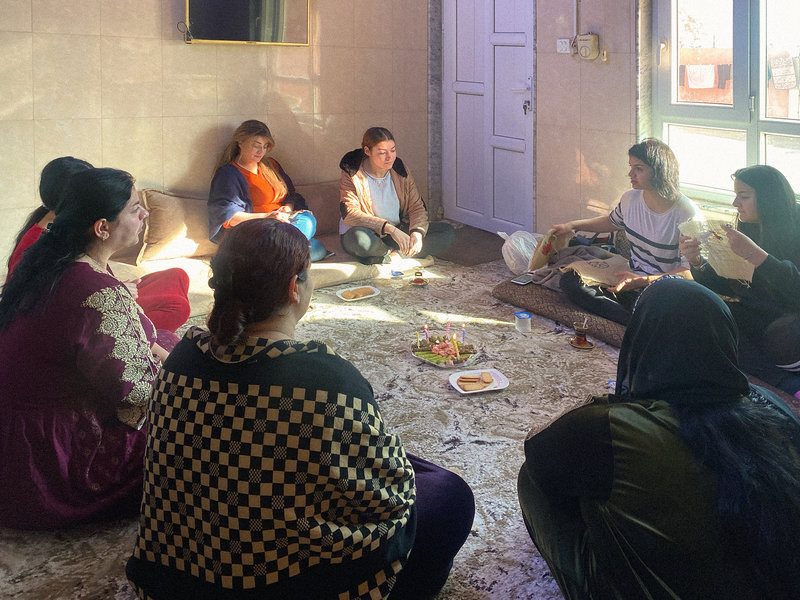
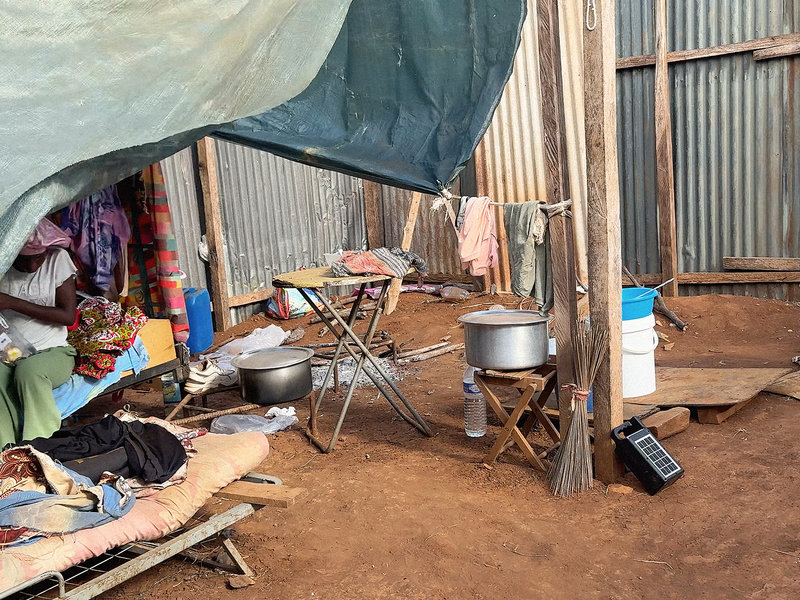
We strive for cultural and contextual sensitivity and act according to needs, resources and goals of the communities we work with. We orient our actions on research findings and international guidelines. Participation and the obligation to respect human rights have highest priority.

Local people and stakeholders are the key actors in addressing community challenges. Communities are shaped not only by place and structure, but also by identity, belonging and care. A community-based approach builds on local voices, operates in existing structures, and advances inclusive action across individual, group, and policy levels within a system where initiatives reinforce one another.

People themselves best understand the needs and future visions of their communities. They are key to identify strengths and challenges during implementation and generate ideas for effective next steps. While information provision and consultation are essential minimum standards, we aim to achieve highest levels of participation and involvement through shared responsibility and genuine partnership.

Our work aims to build on the values, beliefs and traditions that give meaning and structure to community life. A context- and culture-based perspective requires awareness of underlying socio-cultural processes, embedding actions within existing frameworks, and defining outcomes in ways that are locally appropriate and meaningful.

We are committed to social justice by addressing the root causes of discrimination and inequality. Many people face daily exclusion based on gender, sexual orientation, ability, or background, among others, and are often hit hardest in challenging situations. A human rights-based approach counters abuse, violence, and exploitation, and strives to support all community members in exercising their rights.

We view people as self-determined individuals shaped by, and shaping, their surroundings. Context includes relationships and structures, as well as the biosphere and climate, and is influenced by both present interactions and the past. An ecological time-course perspective therefore considers individuals, families, communities, and nature over time and how key moments shape experience and behaviour.

We base our work on research theories and results, as well as stakeholder knowledge, and continuously assess what works, for whom, how, and why. We consider individual and contextual factors, differences across sub-groups, and how effects vary over time. An evidence-based perspective integrates good practice, strengthens learning, and improves future action.