
Writings
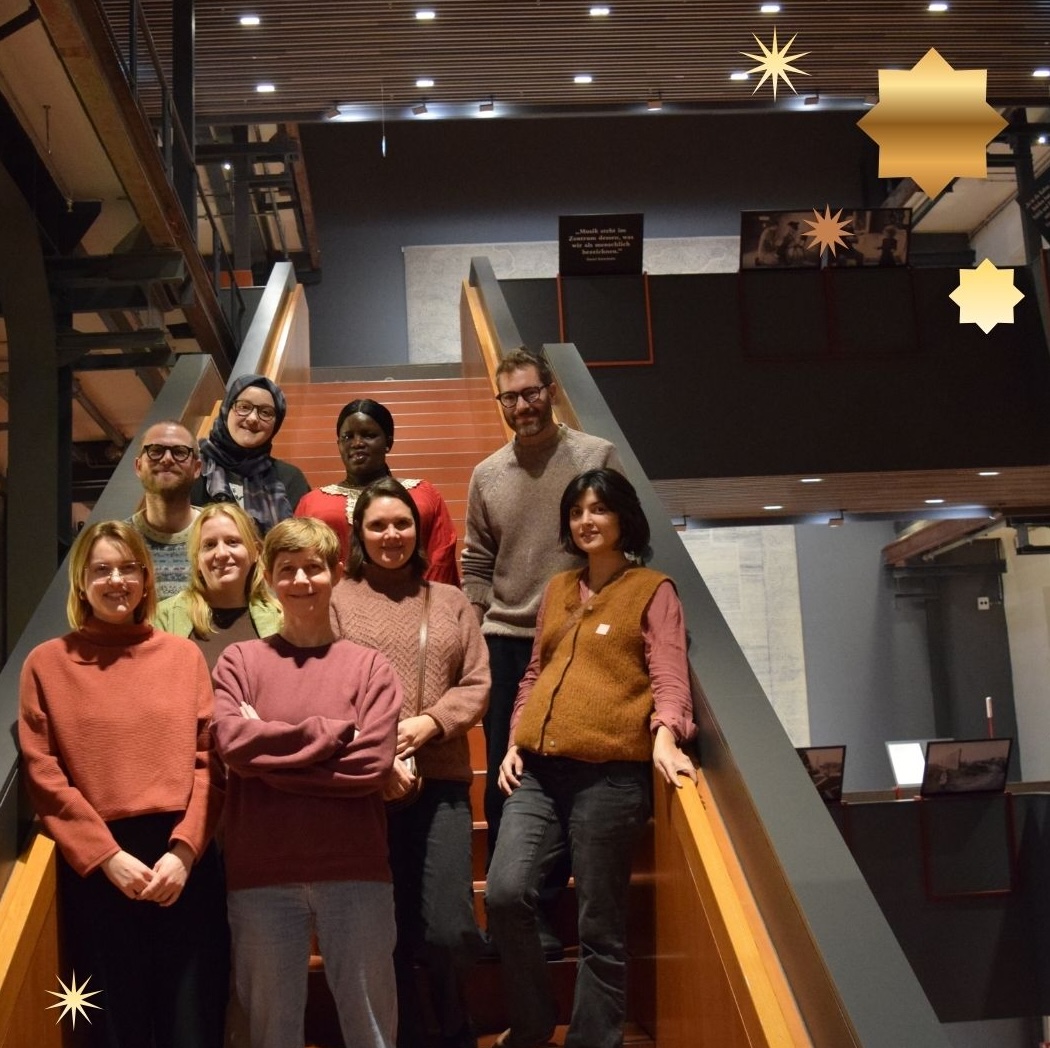
Towards the end of the year, we are not announcing an upcoming event – instead, we would like to share with you our experience of a reflective end-of-year workshop at our office in Berlin. Everyone contributed something related to their respective field of work but deliberately avoided focusing on specific project results.
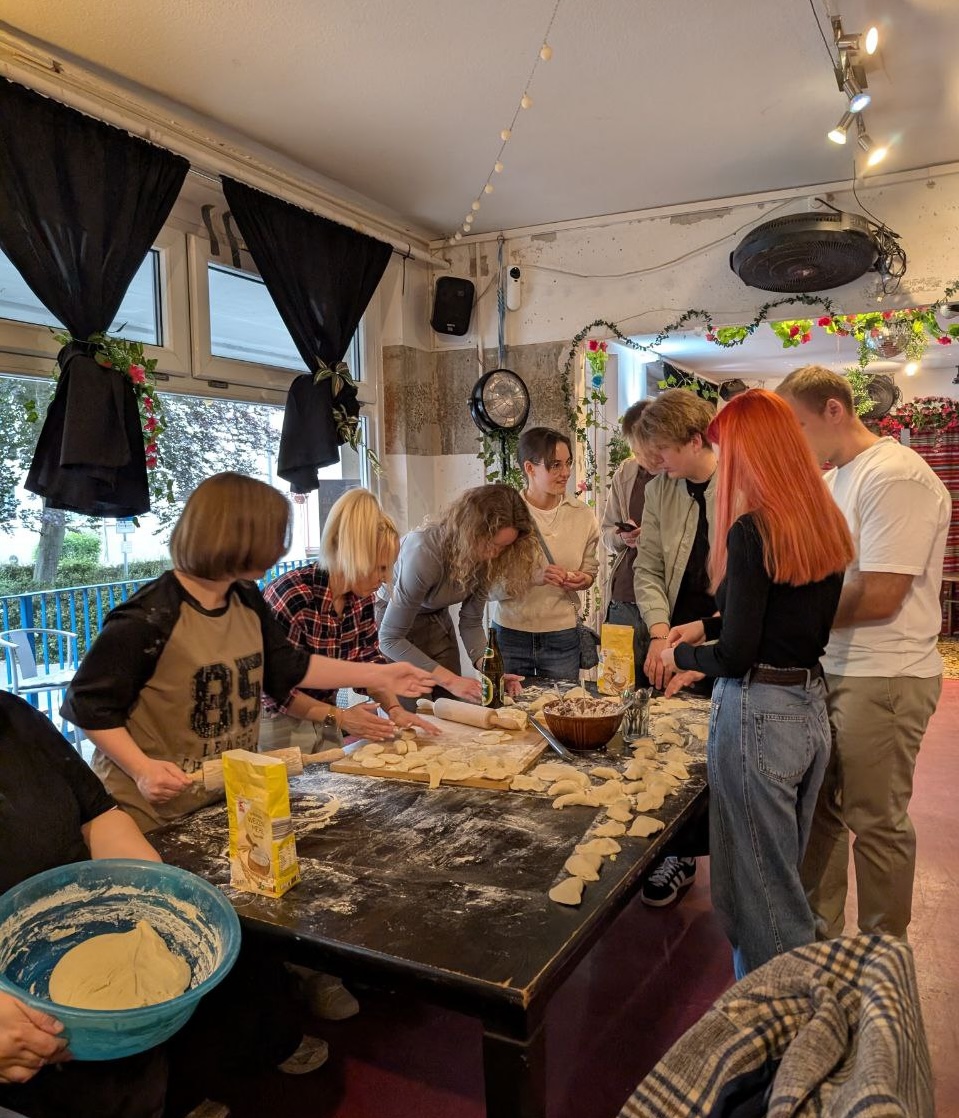
As millions of Ukrainians build new lives far from home, many carry invisible wounds of war, loss, and uncertainty. Yet healing often begins not in therapy rooms, but in kitchens, community halls, and everyday conversations between people in similar situations. Support from peers offers more than comfort; it restores connections and can convey a sense of shared strength.
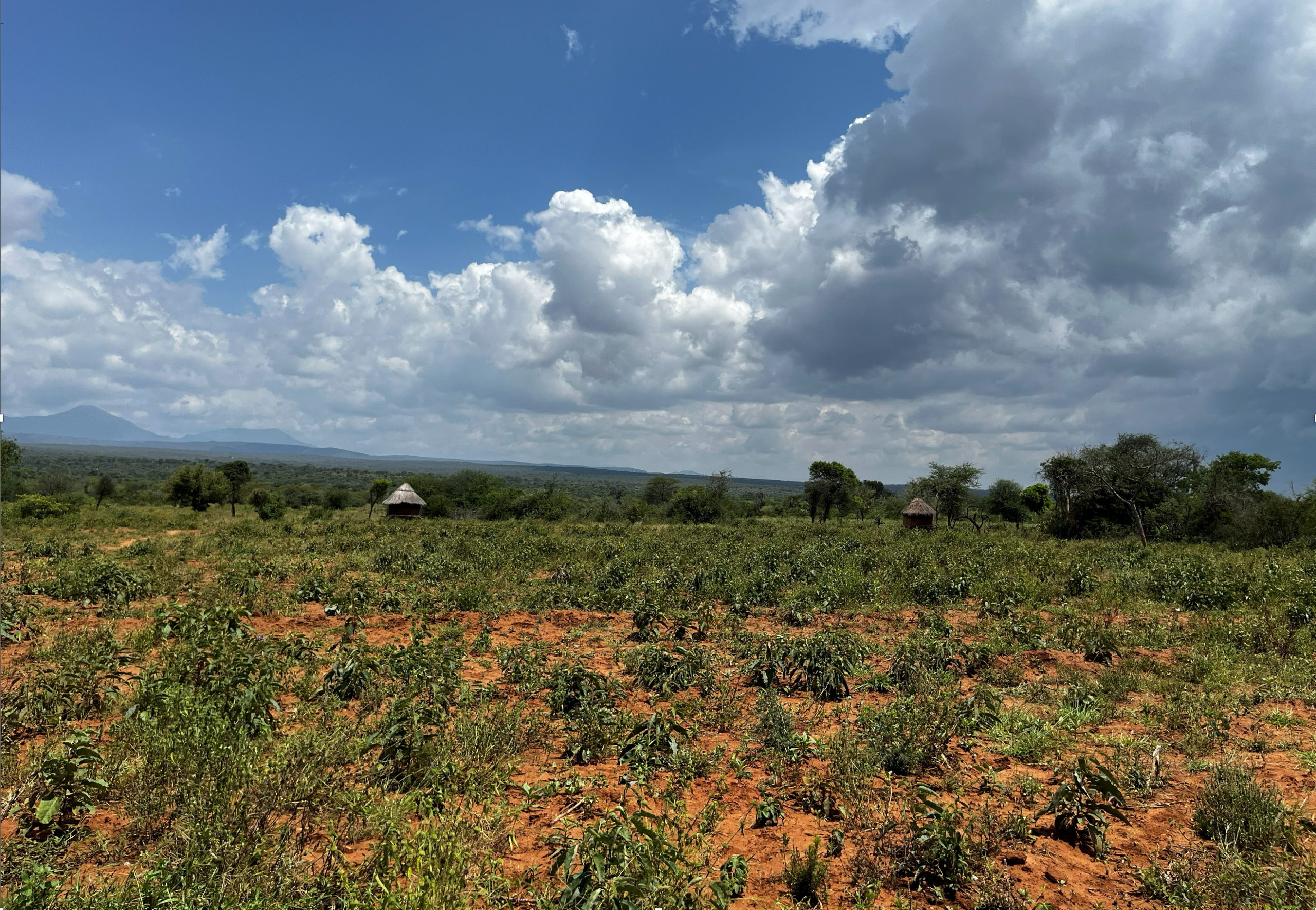
In the cross-border landscapes of Karamoja, communities, institutions, and partners are working together to address persistent challenges. Strengthening livelihoods, fostering cross-border cooperation, and listening to diverse voices are essential steps toward reducing vulnerability to climate shocks, closing systemic gaps, and gradually building more inclusive pathways to resilience, peace, and sustainable development.
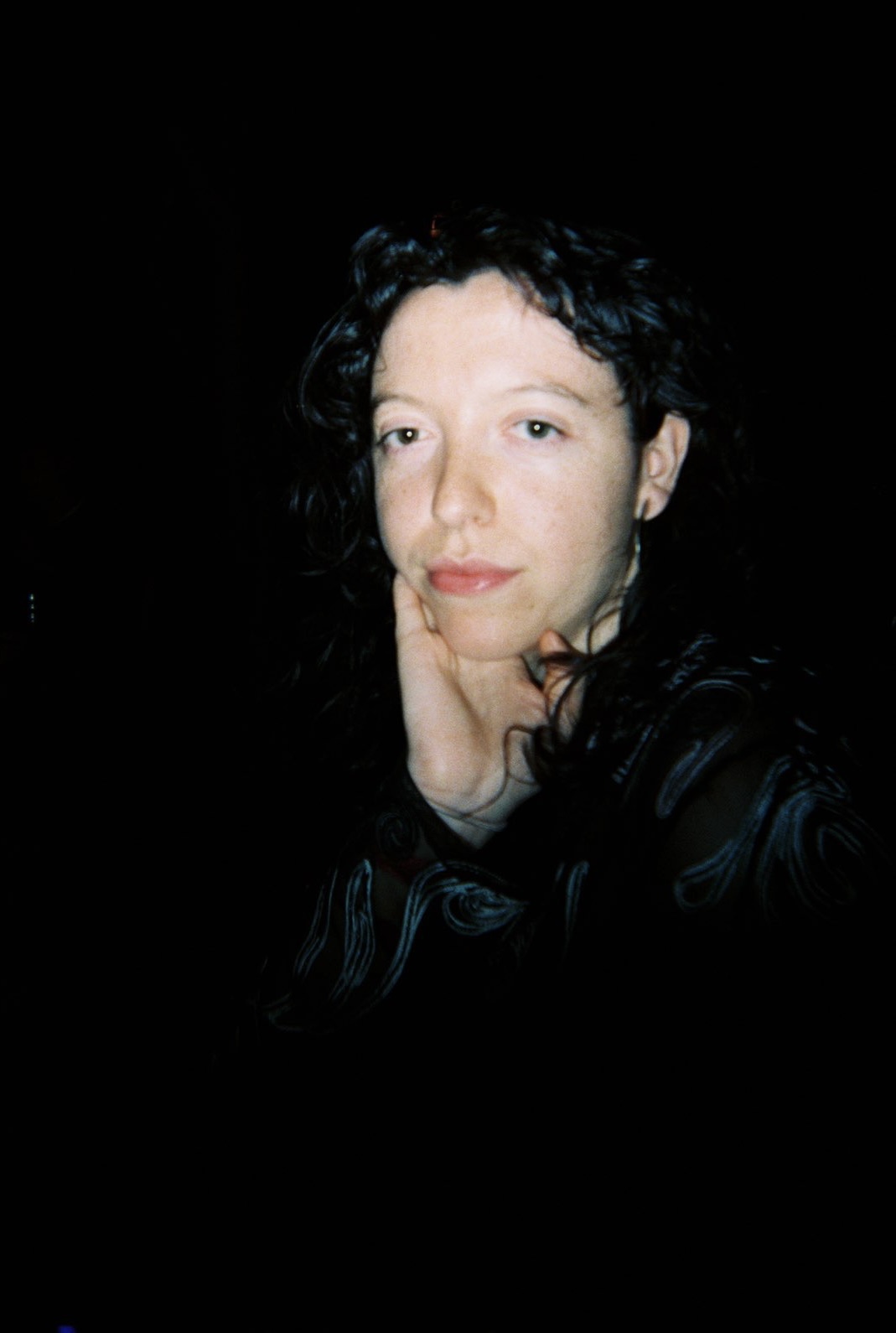
Born and raised in Ireland, I grew up surrounded by nature. My childhood was punctuated by holidays to the West of Ireland, where brisk sea swimming and hikes in squelching bogs were daily occurrences. We lived in Dublin, close-by to my grandmother, a Swedish/German woman with a strong accent and a love for nature. She... View Article
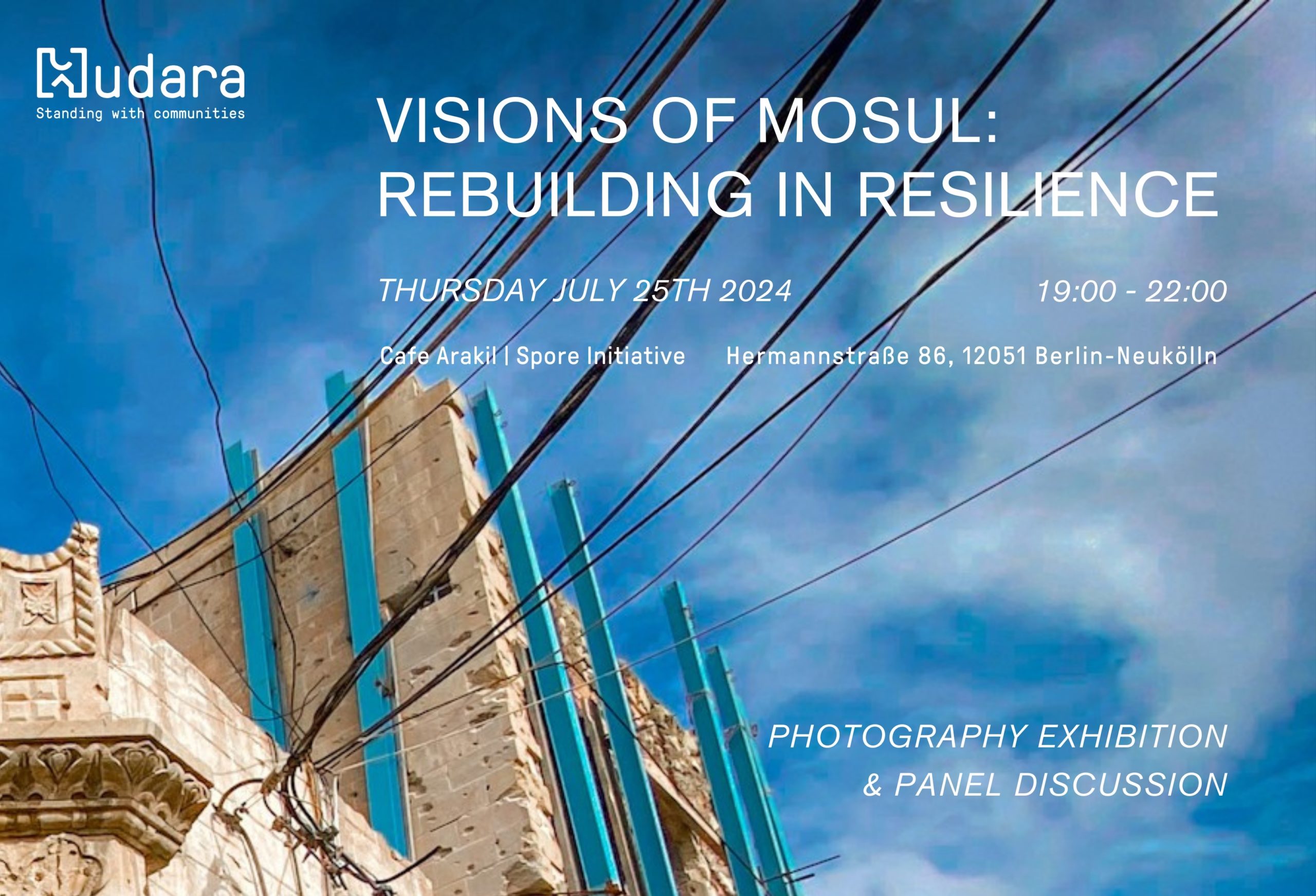
Mosul is one of Iraq’s oldest cities. Historically serving as a trading point between East and West, Mosul’s position along the famous Silk Road shaped a rich religious and ethnic pluralism that still exists in the city today. For centuries, conflict, resistance and resilience have played a part in forming Mosul’s cultural, social and physical architecture. We warmly invite you to join us on Thursday July 25th for an evening of visual media and collaborative discussion, as we aim to bring Mosul’s process of rebuilding in resilience to Berlin, as we invite our guests to re-envision the diverse and dynamic city.
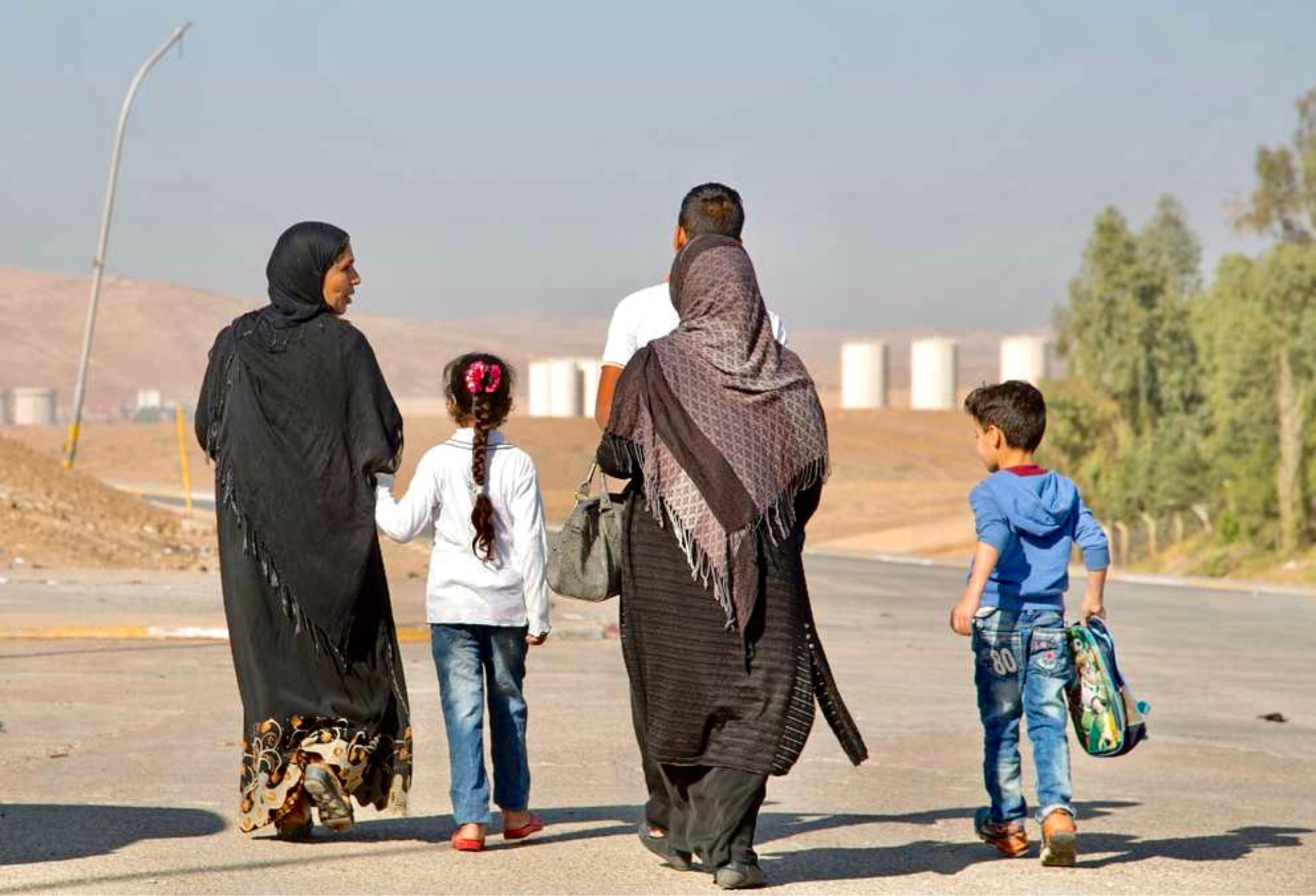
All over the world, women are generally confronted with less autonomy, limited resources and restricted freedom. In Iraq, there were advances in the social status of women during certain historical periods of the 20th century. However, subsequent political changes characterized by the rise of tribal groups and conservative factions, as well as several waves of armed conflict and economic degradation, have systematically undermined these gains. Several generations of women in Iraq have faced oppression, including lack of freedom, limited access to education and restricted employment opportunities. All of these experiences affected their well-being, yet the narrative of hope and resistance, both personal and collective, has persisted in their stories.
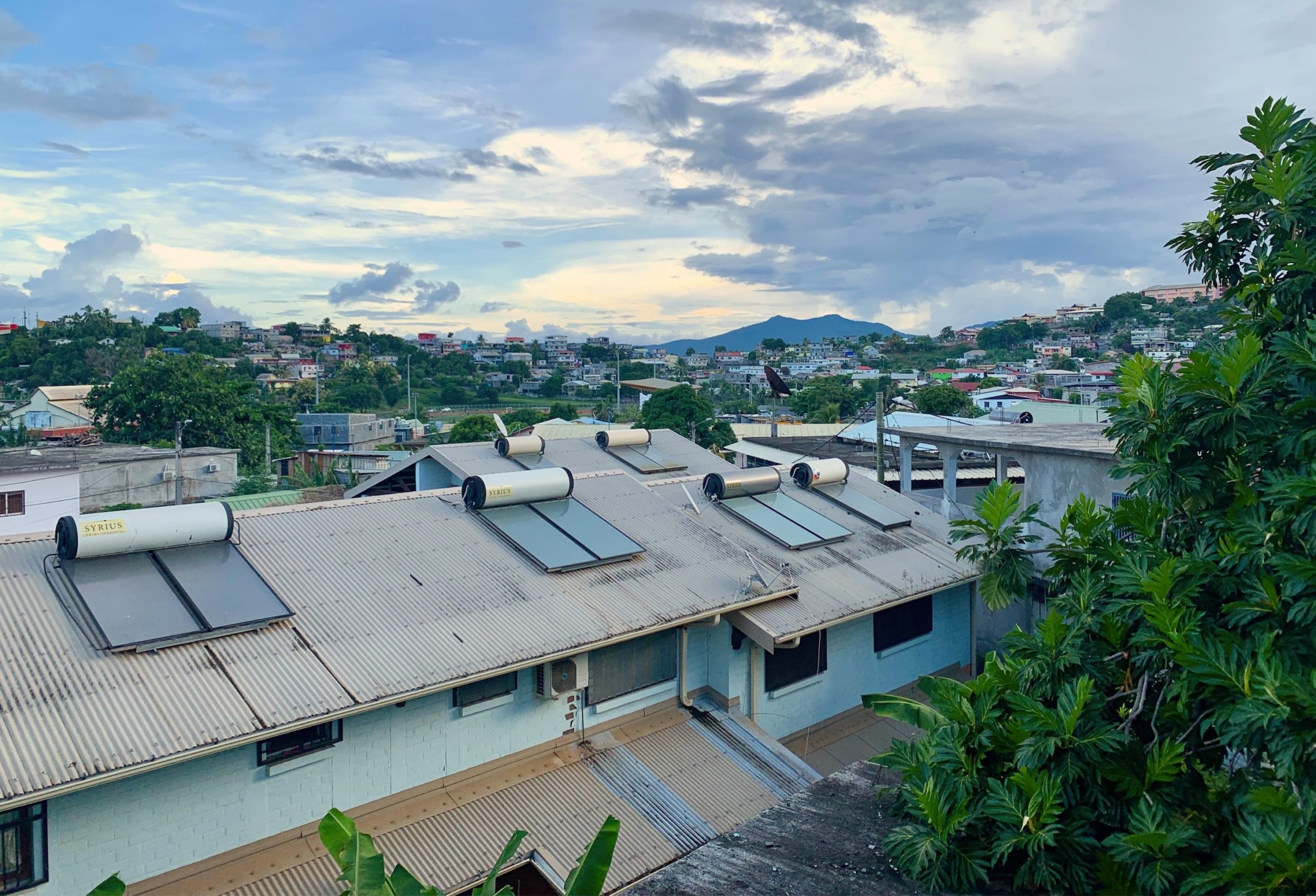
Aiming to re-shape the energy system in Mayotte, the MAESHA project is a part of an initiative to decarbonise EU islands. Of the five islands that will participate in an energy transition, Mayotte is the first to try and test an innovation project of this kind. Curious to hear how the project is going so far, as it hits its half-way mark, Hudara’s Communications Manager Clara sat down with Anna Siegert, who managed the MAESHA project at Hudara for two years, to get her perspective. Anna re-visits challenging moments and reflects on the personal experience of participating in a project of this scope with 21 direct partners and numerous associates, a budget of 11.8 million and a timeline of 4 years.
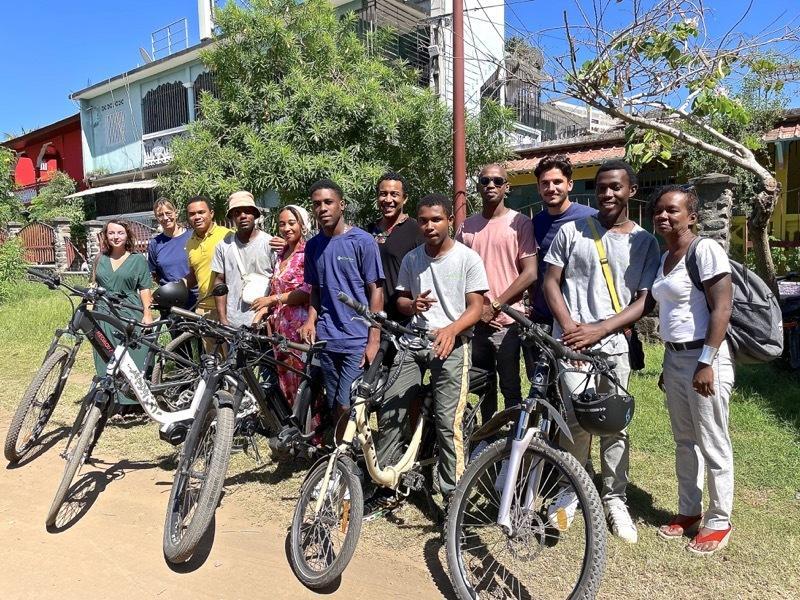
This is a bike community on Mayotte in our MAESHA project. While our actions are wide-ranging when it comes to where we implement change, or through what means, at the heart of our approach to each of our projects is community. We view community members as key actors in developing meaningful and effective ways of coping with the difficulties that we aim to improve. Read about our different new and ongoing projects, and see how we centre community throughout our work.
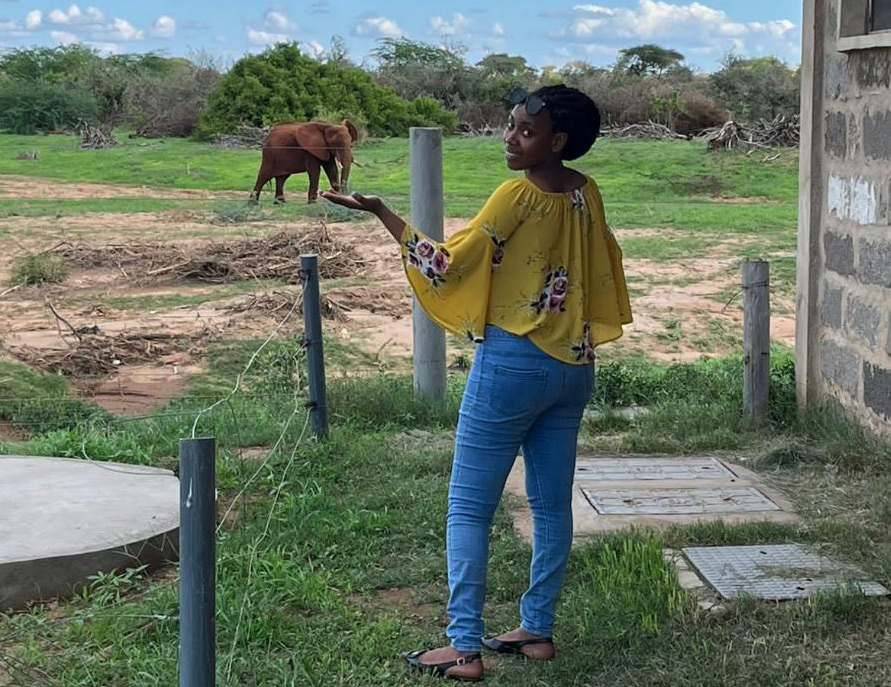
For many people, interacting with nature is a tourist and adventurous experience, but for those with whom I share a similar background, it is a way of life and a means of livelihood. Growing up in my neighbourhood in a remote area in Kenya, I experienced the challenges of human-wildlife conflict and the depletion of the natural resources we depended on for survival. We lost our nearest source of water, the rains subsided, resulting in low or no harvests. Drought became rampant and wildlife often moved into areas of human habitat in search of food and water, leading to human-wildlife conflict. As a young girl, I never understood what was happening to our beautiful environment and why children had to skip school to get water for the household.
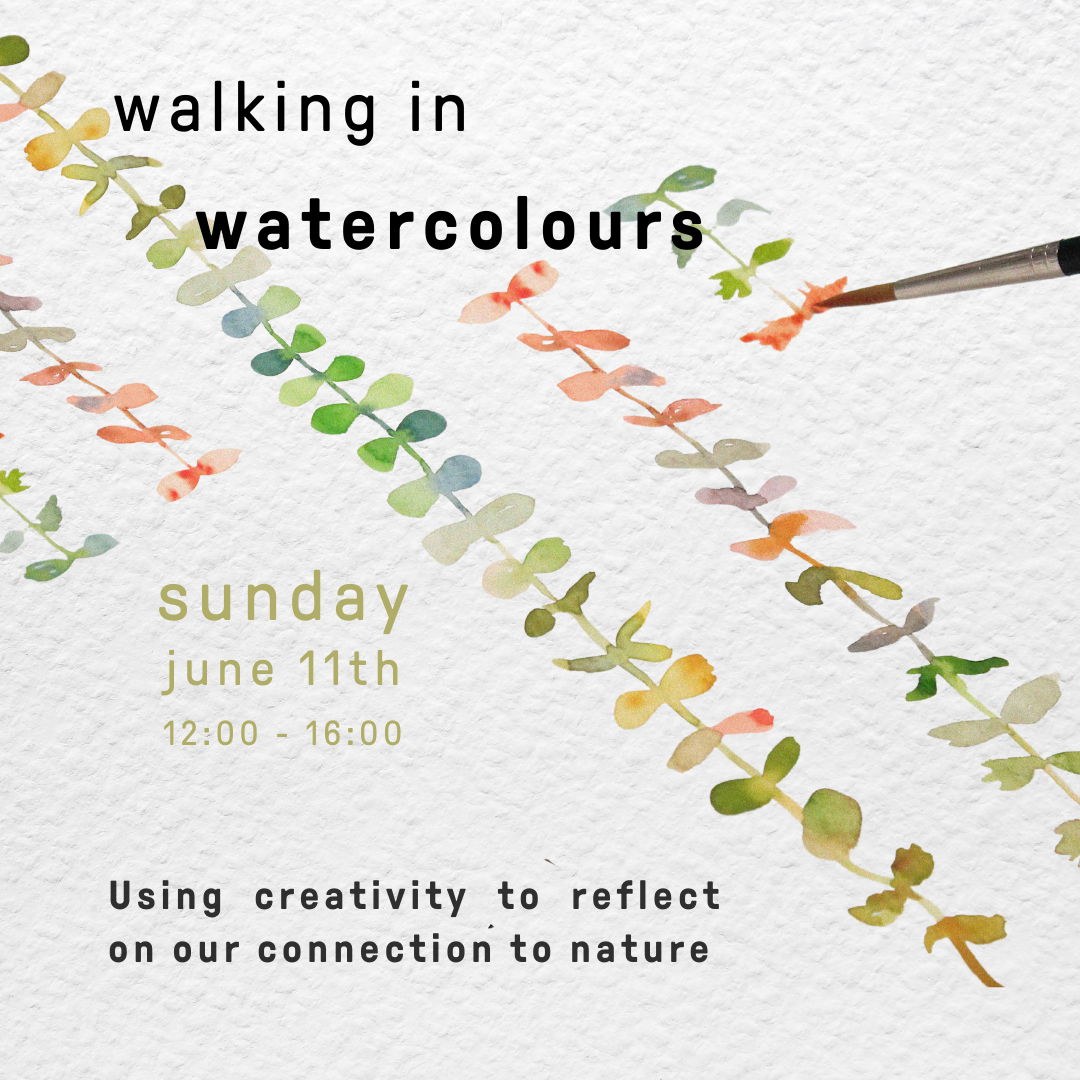
As summer arrives in Berlin, and the city begins to open to sunlight, warmth and long days, we at Hudara are ready to appreciate the outdoor spaces that the city has to offer. With access to parks like Templehoffer Feld, Tiergarten and Gleisdreieck, nature plays an undeniable role in life in Berlin. But how connected to the natural environment do we really feel? In a busy city, full of energy and excitement, and during a climate crisis, it can be difficult to slow down and connect with nature in a way that feels meaningful. Our Summer event brings together themes of mindfulness, creativity and nature, inviting you to slow down and reconnect to your natural environment.